
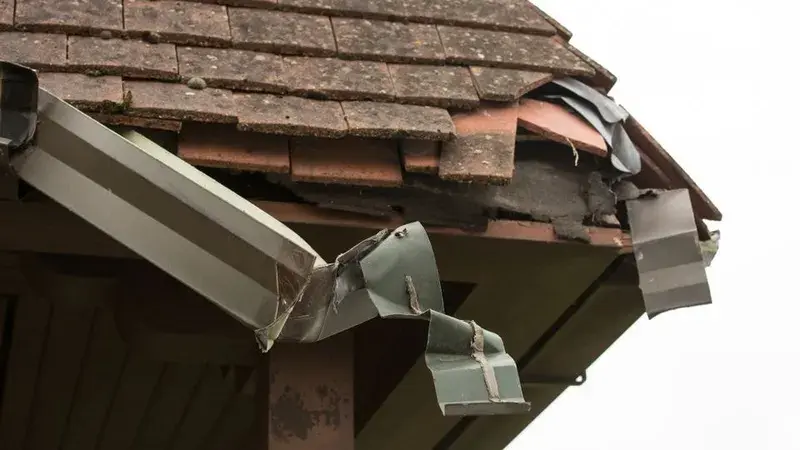
Wind Damage To Your Roof: What Homeowners Should Know
How To Identify, Prevent, And Repair Wind Damage
Fox Valley homeowners face unique challenges when protecting their properties from severe weather conditions that can damage residential structures.
Wind damage roof incidents occur frequently throughout Wisconsin, where seasonal storms and high winds test even well-built homes.
Understanding how wind affects your roof and using preventive measures can help reduce repair costs while protecting your family’s safety and comfort.
The vulnerability of roofing systems to wind damage comes from aerodynamic forces that create uplift pressure on roof surfaces.
Strong winds create negative pressure above the roof and positive pressure underneath, which can try to lift the structure.
This is why roof damage can happen even when the wind does not seem extreme from ground level.
Professional assessment and proactive maintenance can reduce the risk of severe roof damage during storm events.
Understanding Wind Damage Roof
Vulnerabilities
Wind damage can appear in several ways depending on wind speed, roof age, and installation quality.
Missing shingles are one of the most visible signs of wind damage and often happen when uplift forces exceed the holding power of roofing nails or adhesive strips.
Once initial shingles lift, nearby roofing materials become more vulnerable because wind can get underneath the protective barrier.
Roof edges and corners experience the highest wind pressure, which makes these areas especially vulnerable during storms.
When shingles fail, the roof deck can become exposed, allowing water to enter and potentially cause structural damage or mold growth.
Understanding these vulnerability patterns helps homeowners focus on the areas most likely to suffer wind damage.
Age plays a major role in how well a roof handles wind. Older asphalt shingles lose flexibility and adhesion over time, making them more likely to crack or curl during wind events.
Metal roofs often provide stronger wind resistance than other roofing materials, but proper installation is still critical.
Damage from previous storms can create weak points in the roofing system. Even minor issues can become larger problems when exposed to high winds.
Small repair needs can turn into major replacement projects if they are not addressed before the next storm.
Wind speeds as low as 45 mph can begin lifting loose shingles, while winds over 75 mph can cause structural damage to properly installed roofing materials.
Regular inspections help identify vulnerable areas before severe weather strikes.
Insurance Company Requirements
And Coverage
Insurance companies evaluate wind damage claims using specific criteria that homeowners should understand before filing a claim.
Most insurance providers require documentation of damage severity and a professional assessment to process roof damage insurance claims effectively.
Standard homeowners insurance policies typically cover wind damage, but coverage details vary between providers and policy types.
Your insurance policy may handle wind damage differently from other types of damage. Some policies include separate wind deductibles or exclusions.
Understanding these details helps homeowners make better decisions about coverage levels and claim timing.
Insurance coverage for roof damage often depends on the age of the roof, and older roofs may face depreciation adjustments that reduce claim payouts.
Successful insurance claims require thorough documentation, including photographs, professional estimates, and detailed descriptions of the damage.
Insurance adjusters review damage based on industry standards and policy terms, which makes contractor involvement valuable during the claim process.
Filing multiple small claims can affect future premium rates and coverage availability.
Homeowners should compare repair costs against deductible amounts before filing minor damage claims.
Recognizing Signs Of Wind Damage
Signs of wind damage go beyond obvious missing shingles. Some signs are subtle but still point to roof vulnerability.
Curling shingles can indicate aging materials or installation issues that reduce wind resistance.
Damaged shingles create entry points for wind uplift and water penetration, which can lead to secondary damage.
Loose shingles may not be easy to see from the ground, but they can be found during a professional inspection.
Granule loss from asphalt shingles can increase after wind events, leaving underlying materials more exposed to weather.
Cracked shingles can develop from thermal cycling and wind stress, creating paths for water leaks that damage interior spaces.
Roof vents and flashing around penetrations can also be damaged during wind events.
Flying debris may loosen or damage these components, creating immediate leak risks.
Clogged gutters may indicate shingle granule loss or debris buildup from roof damage.
Peeling paint around roof edges or fascia boards can suggest water infiltration from damaged roofing materials.
Interior water stains or leaks after wind events indicate significant damage that should be professionally evaluated.
A storm damage assessment should include both exterior and interior inspections to identify all affected areas.
High Winds And Structural
Considerations
High winds create complex loading patterns that stress roofing systems beyond normal design conditions.
Wind speeds increase with height, which can make upper roof areas more vulnerable than lower sections.
The roof’s integrity depends on proper connections between all components, from shingles to the underlying structure.
Structural damage from high winds can affect roof decking, trusses, and connection points between the roof and walls.
These types of failures may require extensive repairs involving multiple parts of the building system.
Strong winds can lift entire roof sections when uplift forces exceed structural capacity, especially in older homes with outdated connection methods.
Modern building codes address wind resistance through improved fastening requirements and material specifications.
Homes built before current code standards may not have adequate wind resistance features.
Retrofitting older roofs with better fastening and wind-resistant shingles can improve storm performance.
Understanding your roof’s wind rating helps set realistic expectations for storm performance.
Professional roofing contractors can assess current wind resistance and recommend upgrades that improve protection.
Some improvements may qualify for insurance discounts while also providing more peace of mind during storm season.
Damage To Your Roof
Assessment Strategies
Damage to your roof requires a systematic evaluation to identify all affected areas and prioritize repairs.
A professional assessment helps provide the documentation needed for insurance claims and repair planning.
Reputable roofing contractors use standardized inspection procedures that meet insurance company requirements.
Post-storm inspections should happen as soon as it is safe so additional weather exposure does not create more damage.
Temporary protective measures may be needed while permanent repairs are being arranged.
The extent of the damage helps determine whether roof repair or roof replacement is the most cost-effective solution.
Photo documentation supports insurance claims and repair planning by showing the damage extent and patterns.
Multiple angles and close-up photos of specific damaged areas create a more complete record.
This documentation can be valuable when working with insurance adjusters and contractors.
Hail Damage And Combined
Weather Events
Hail damage often happens with wind events, creating compound damage that requires a more complete repair approach.
Hail storms can weaken roofing materials before or after wind exposure, increasing the overall severity of the damage.
The combination of hail impact and wind uplift creates unique failure patterns that affect repair decisions.
Insurance policies may treat hail and wind damage differently, which can affect claim processing and coverage amounts.
Understanding these distinctions helps homeowners navigate the claims process more effectively.
Some regions experience frequent combined hail and wind events, which may call for specialized roofing materials and installation methods.
Severe storms often bring hail and high winds at the same time, creating widespread damage across neighborhoods.
This concentrated damage can strain contractor availability and material supplies, making prompt action important.
Emergency repairs may be needed to prevent water damage while waiting for permanent repairs.
Homeowners Insurance Policy
Considerations
Homeowners insurance policies vary in wind damage coverage, deductibles, and claim procedures.
Standard homeowners insurance policies usually include wind coverage, but policy limits and exclusions affect the actual protection level.
Understanding policy language helps homeowners make informed decisions about whether their coverage is adequate.
Your homeowners insurance policy may include separate wind deductibles that differ from other coverage deductibles.
These provisions can significantly affect out-of-pocket costs for wind damage claims.
Annual policy reviews help make sure coverage remains adequate for current property values and local risk levels.
Insurance policies may cover wind damage restoration costs minus applicable deductibles and depreciation adjustments.
Replacement cost coverage usually provides better protection than actual cash value coverage for older roofs.
Policy endorsements may be available to enhance wind coverage or reduce deductibles for qualified properties.
Working with insurance providers requires understanding claim procedures and documentation requirements.
Prompt notification and professional documentation can improve claim processing efficiency.
Some insurance companies offer preferred contractor programs that streamline repairs while maintaining quality standards.
Insurance Coverage Optimization
Strategies
Insurance coverage optimization means balancing premium costs with adequate protection for local wind risks.
Higher deductibles can reduce premium costs but increase out-of-pocket expenses during claims.
Coverage limits should reflect current replacement costs, including material and labor inflation.
Wind-resistant improvements may qualify for insurance discounts that offset upgrade costs over time.
Discounts vary by insurance provider and improvement type.
Impact-resistant shingles, enhanced roof deck attachment, and secondary water barriers can reduce risk in ways some insurers recognize through premium reductions.
Annual policy reviews with insurance agents help ensure coverage stays current with property improvements and local risk changes.
Market conditions can affect coverage availability and pricing, making regular evaluation important for maintaining protection.
Documentation of roof improvements can support discount applications and future claim processes.
Curling Shingles And Material
Deterioration
Curling shingles indicate advanced material deterioration that can seriously reduce wind resistance.
This condition develops gradually through thermal cycling and UV exposure, making regular inspection important for early detection.
Curled edges create entry points for wind that can accelerate damage during storms.
Asphalt shingle deterioration follows predictable patterns that experienced contractors recognize during inspections.
Granule loss, thermal splitting, and edge curling can indicate replacement needs before complete roof failure occurs.
Addressing deterioration early can prevent emergency repairs during severe weather.
Material quality affects deterioration rates and wind resistance throughout the roof’s service life.
Premium shingles usually offer better wind ratings and longer warranties than standard products.
Investing in quality materials can provide stronger storm protection and reduce long-term maintenance costs.
Environmental factors such as sun exposure, temperature extremes, and moisture levels affect how quickly materials deteriorate.
South-facing roof sections often show more advanced deterioration than north-facing areas.
Understanding these patterns helps prioritize maintenance and replacement scheduling.
Damaged Roof Repair And
Replacement Decisions
Damaged roof evaluation determines whether repair or replacement is the most effective solution.
Extensive damage across large roof areas usually requires replacement for better performance and warranty coverage.
Localized damage may be repairable if the surrounding materials remain in good condition.
Roof age is an important factor in repair versus replacement decisions.
Roofs near the end of their expected service life often benefit more from replacement than extensive repairs.
Mixing old and new materials can create performance inconsistencies and warranty complications.
Cost analysis should include immediate expenses and long-term performance expectations.
Repeated repairs on aging roofs can exceed replacement costs while providing weaker protection.
Professional evaluation helps homeowners make decisions based on actual roof conditions rather than assumptions.
Insurance claim timing can affect repair and replacement options.
Claim settlements may favor replacement when damage exceeds certain thresholds.
Working with experienced contractors helps ensure repair estimates accurately reflect the necessary scope and quality standards.
Insurance Cover Claim
Processing
Insurance cover claims require systematic documentation and professional support for the best outcome.
Claim success depends on showing damage cause, extent, and repair necessity through acceptable evidence.
Professional roofing contractors experienced in insurance work can provide valuable support during the claim process.
Repair estimates should reflect industry standards for materials and installation methods.
Detailed estimates help insurance adjusters understand the work scope and pricing.
Multiple estimates may be required for larger claims or when initial assessments differ significantly.
Claim processing timelines vary based on damage extent, documentation quality, and insurance company procedures.
Prompt claim filing and complete documentation can speed up processing while reducing the risk of coverage disputes.
Understanding claim procedures helps homeowners navigate the process more effectively.
For comprehensive guidance on identifying roof problems, explore this resource on roof leak identification and repair.
Preventive Measures And
Roof Maintenance
Regular maintenance can reduce wind damage risk while extending roof service life.
Annual inspections identify developing problems before they compromise wind resistance.
Professional maintenance includes fastener checks, sealant renewal, and debris removal to help maintain performance.
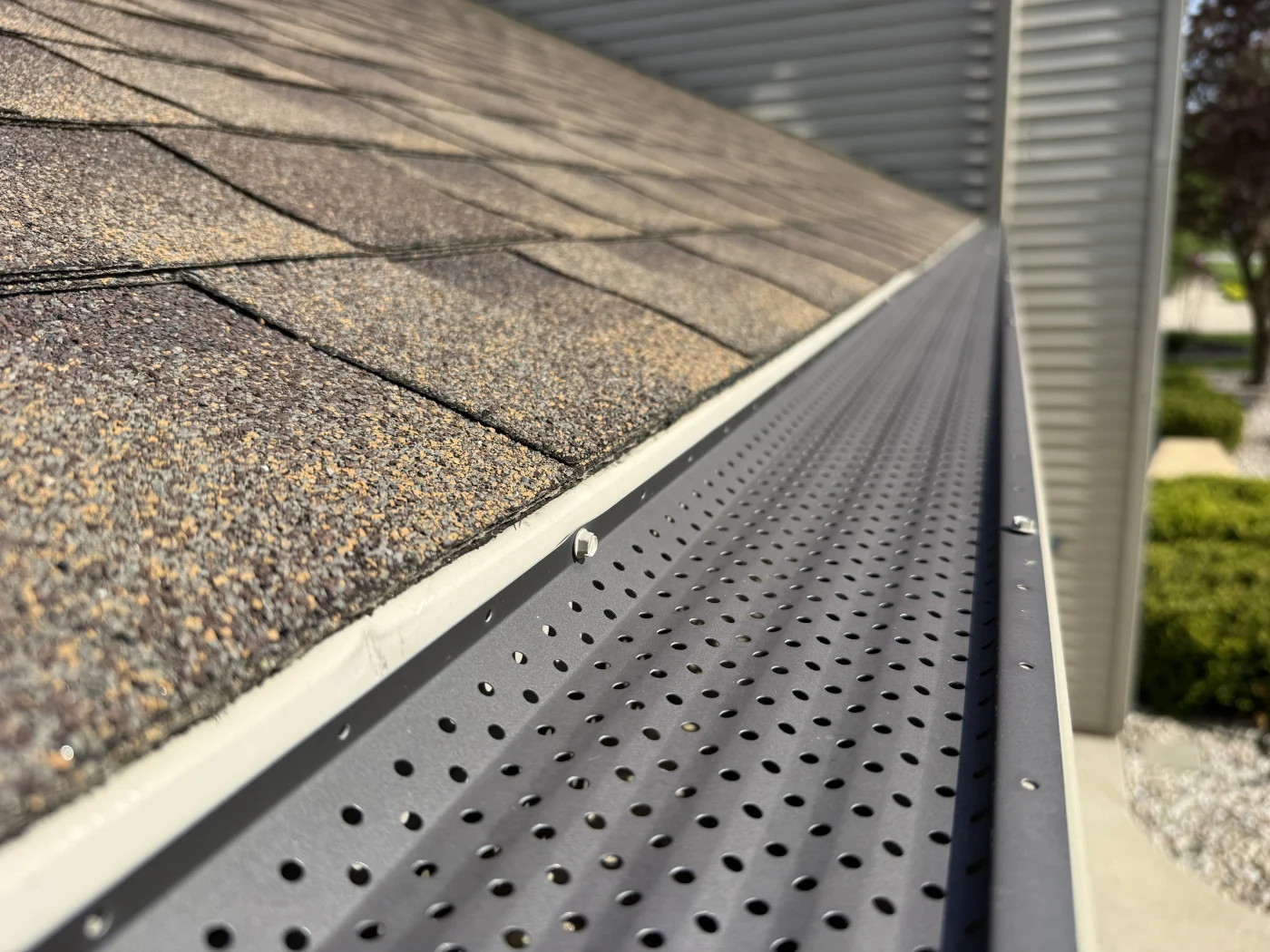
Proper drainage prevents water accumulation that weakens roofing materials and promotes deterioration.
Maintaining gutters and downspouts ensures water flows away from roof edges where wind damage often begins.
Tree trimming reduces flying debris risks and helps prevent branch contact that can damage roofing materials.
Understanding roof anatomy and components helps homeowners identify maintenance needs and communicate more effectively with contractors.
Knowledge of roofing systems supports better decisions about repairs and improvements.
According to the National Storm Damage Center, proper roof maintenance can reduce wind damage risk compared with neglected roofs.
This risk reduction supports regular investment in professional maintenance services.